900+ global institutions.
No public credit for the design has been located to date.
For twenty-six years, an iconic image from Jamel Shabazz's Drama & Flava has anchored museum walls, library archives, and academic syllabi worldwide — the crimson velour silhouette held across hundreds of library systems internationally, including FIT and The Metropolitan Museum of Art. See Section II for the full institutional breakdown.
The institutional record names the photographer. It does not name the designer.
I am LaRonz Murray — Master Designer-Stylist and the featured subject 24 times throughout the Drama & Flava monograph. This site presents the documented record for public review.
Review the evidence below ↓
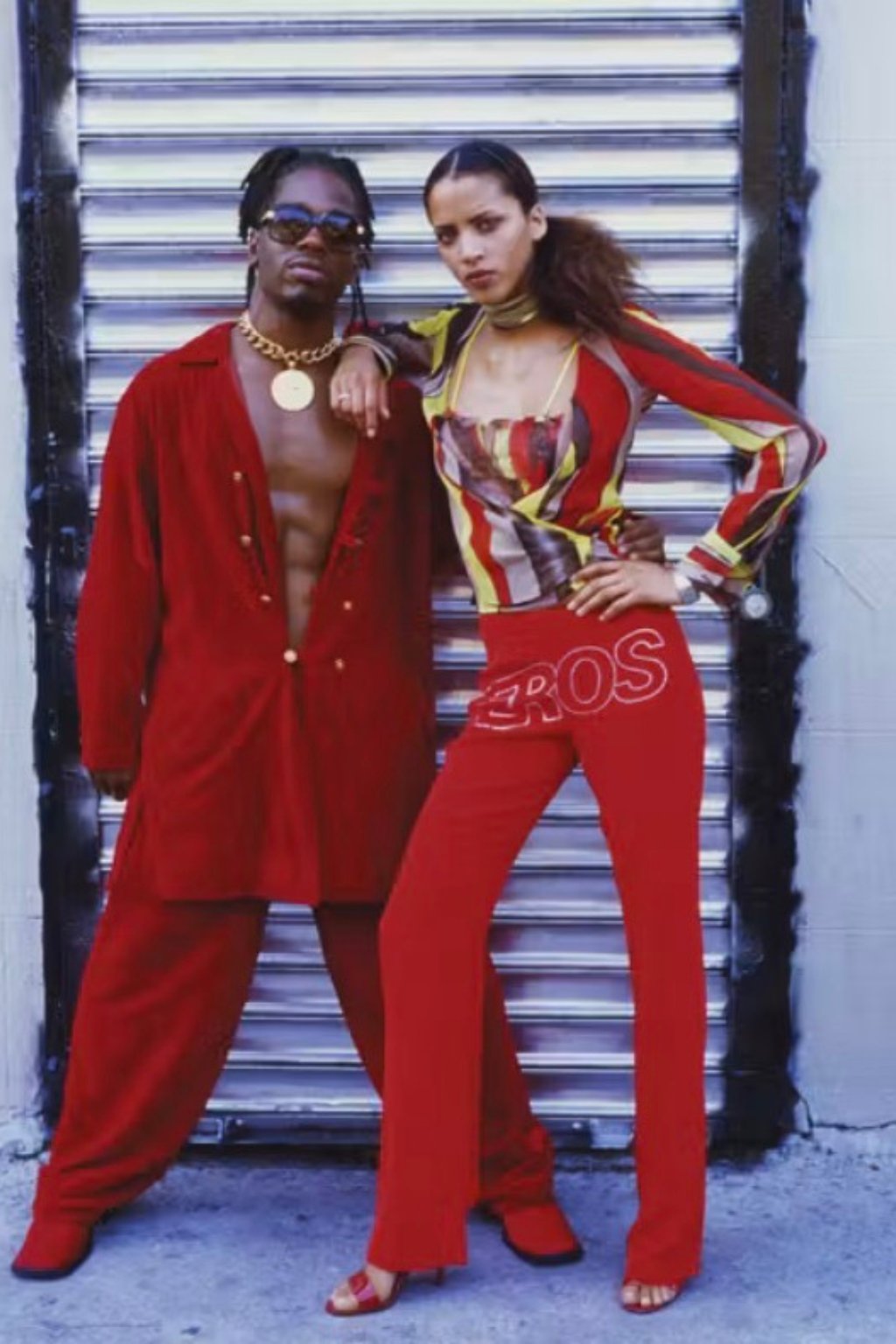
LaRonz Murray and Noemie Lenoir · New York, c. 2000 · Photography: Jamel Shabazz · First published: Jalouse magazine, France · Now in 900+ institutions worldwide · Attribution under archival review
“I was on the cover before I was in the story.”
The Murray Records
The Shabazz–Murray Record — a documented case study in attribution, authorship, visual culture, and institutional memory.
History is not static; it is recorded. For twenty-six years, an iconic image of Black elegance, style, and urban opulence has been held across hundreds of library systems worldwide — see Section II for the full institutional breakdown — including the Fashion Institute of Technology (FIT) and The Metropolitan Museum of Art.
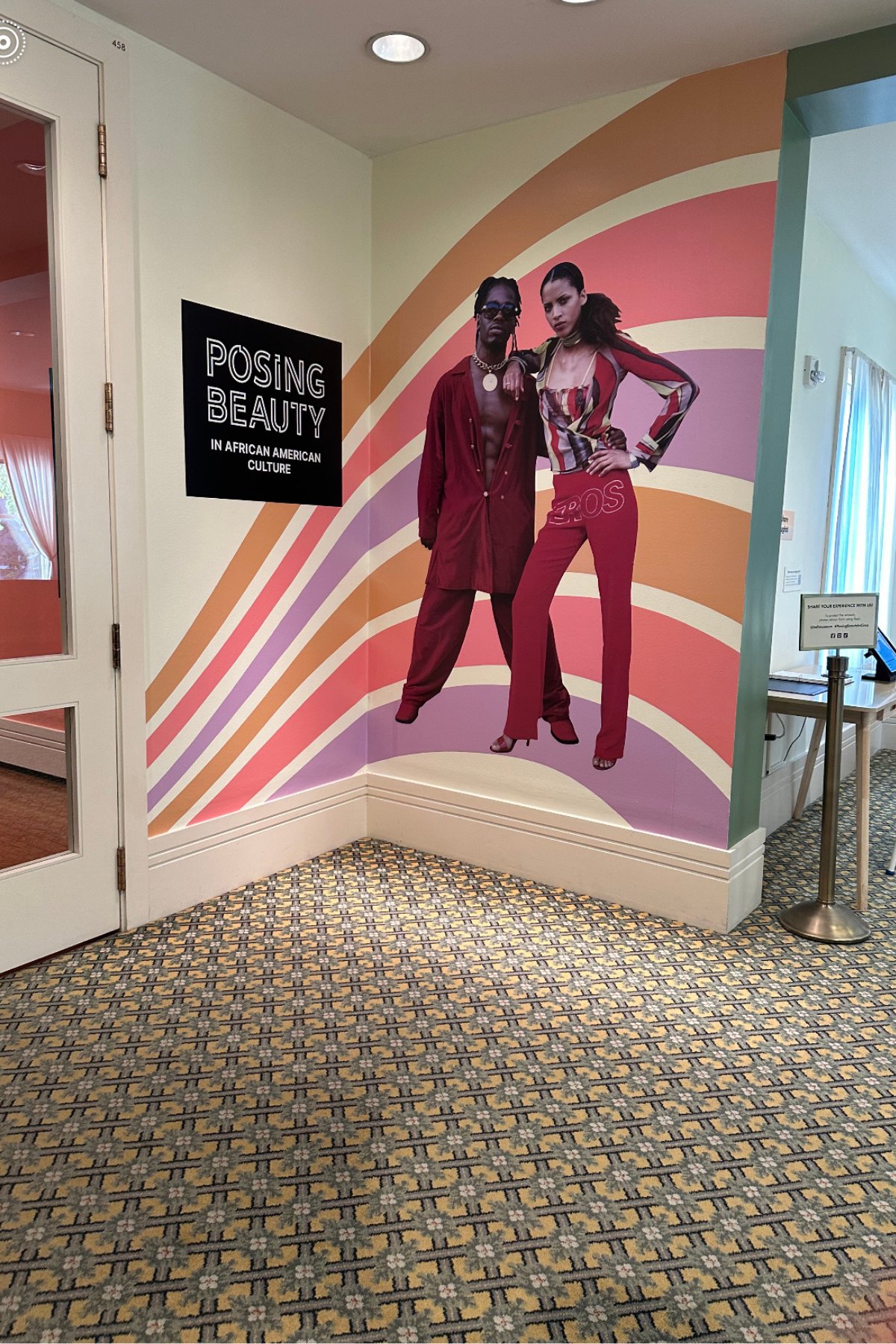
Distributed worldwide via Dr. Deborah Willis's landmark publication Posing Beauty in African American Culture, this image has served as the visual gatekeeper for museum entrances, lecture series, and historical archives. Yet, within those registries, the creators who gave the image its DNA remained anonymous. The records listed only the photographer, Jamel Shabazz, leaving the models nameless and the designer uncredited. Even within the pages of the Drama & Flava monograph, while names were restored, the intellectual design credit remained absent.
The Murray Records serves as a documented institutional archive, presented for public and scholarly review.
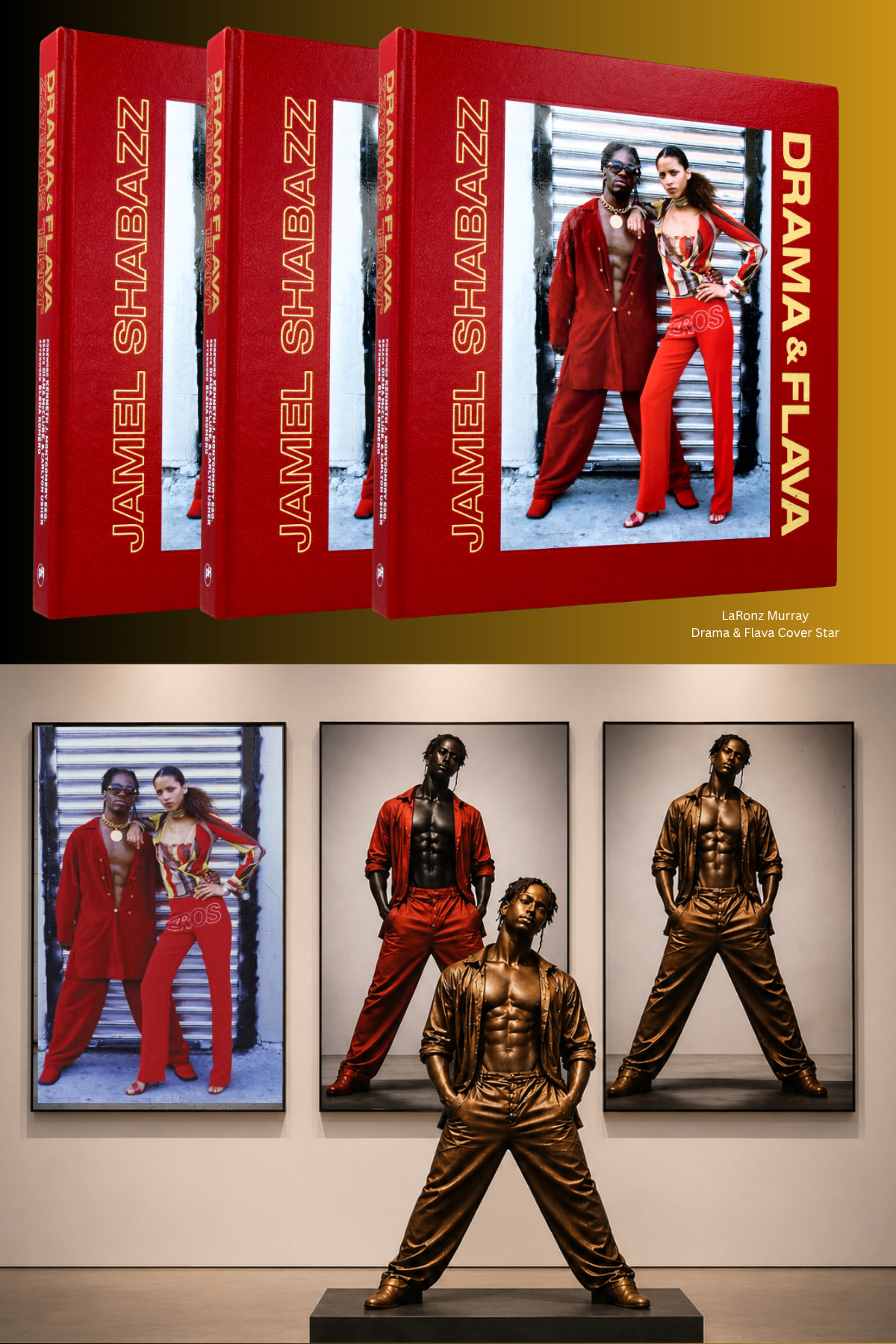
This platform documents the provenance establishing that contemporary visual artist LaRonz Murray did not merely pose for the camera — he authored the aesthetic. As the Master Designer-Stylist, Murray envisioned, curated, and directly orchestrated the creation of the iconic crimson velour silhouette through three design iterations.
These facts are presented here as part of the public record, for readers to examine alongside existing institutional sources. We close the loop of the creative trifecta: The Mind that designed the luxury, The Body that gave it motion, and The Bronze that preserves it for the next century.
A circulation of evidence.
Murray's image sits at two separate endpoints of two separate historical projects. In Posing Beauty in African American Culture — a survey of Black beauty in photography spanning the 1890s to 2009 — Murray's image served as the closing installation piece when the exhibition's touring run concluded at the Taft Museum of Art, October 5, 2024–January 12, 2025. Organized by Curatorial Assistance Traveling Exhibitions and curated by Dr. Deborah Willis. In Drama & Flava, a monograph documenting street style and culture from 1980 to 2024, Murray is the recurring cover subject. These are two independent curatorial and editorial decisions, made by different institutions for different purposes, that both converged on the same image and person.
Two Historians. Two Institutions. Two Eras. One Image.
First published as a photograph in Jalouse magazine, France (2000); first published in book form in Dr. Deborah Willis's Posing Beauty in African American Culture (2009) — a national touring survey of Black beauty in photography spanning the 1890s to 2009 — this image was later selected as the exhibition's closing installation piece: the final wall entrance image when the tour concluded at the Taft Museum of Art, October 2024–January 2025, after fifteen years of circulation.
In 2025, Jamel Shabazz and powerHouse Books independently selected the same image for the cover of Drama & Flava — a monograph documenting street style and culture from 1980 to 2024.
Two independent curatorial decisions — one closing a fifteen-year national tour, the other opening a new monograph — converged on the same photograph and the same subject within the same period.
“One image, first published as a photograph in Jalouse magazine, France (2000); first published in book form in Posing Beauty (2009), still circulating fifteen years later — chosen independently to close one national tour and open a new monograph, within the same period.”
Presented for reader review
To be precise about what is being stated here: LaRonz Murray is a primary, recurring, named subject within the specific body of work — Jamel Shabazz's photography — that has itself been documented as a reference and influence on the era that followed. This is a statement about proximity and presence within that archive, not a claim of direct causation or personal influence over any individual artist or movement. The reader is invited to weigh what that documented proximity means.
This same red velour garment resurfaces in 2024, twenty-four years after the original photograph — see the full story on the Press site ↗.
The Collaboration
Organized, intentional, art-directed sessions — not street captures.
The Shabazz–Murray sessions were planned productions. Locations were chosen. Talent was recruited. Wardrobe was conceived, constructed, and approved before the shutter opened. Murray functioned as creative collaborator, shoot coordinator, designer, and lead model across the collaborative period.
This documentation is offered to distinguish the collaborative era from the broader Shabazz street-photography archive of the 1980s and to make the participating authorship visible.
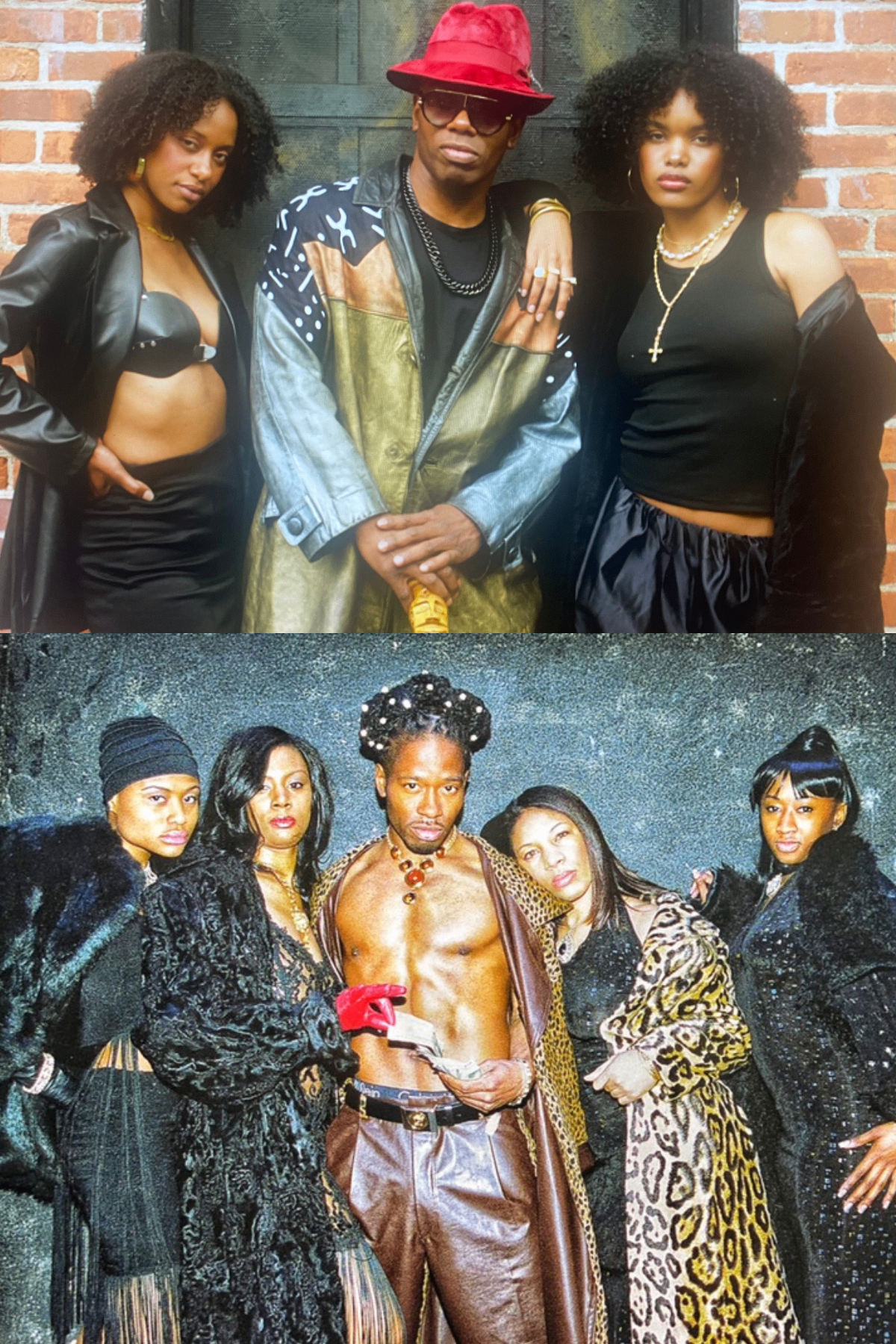
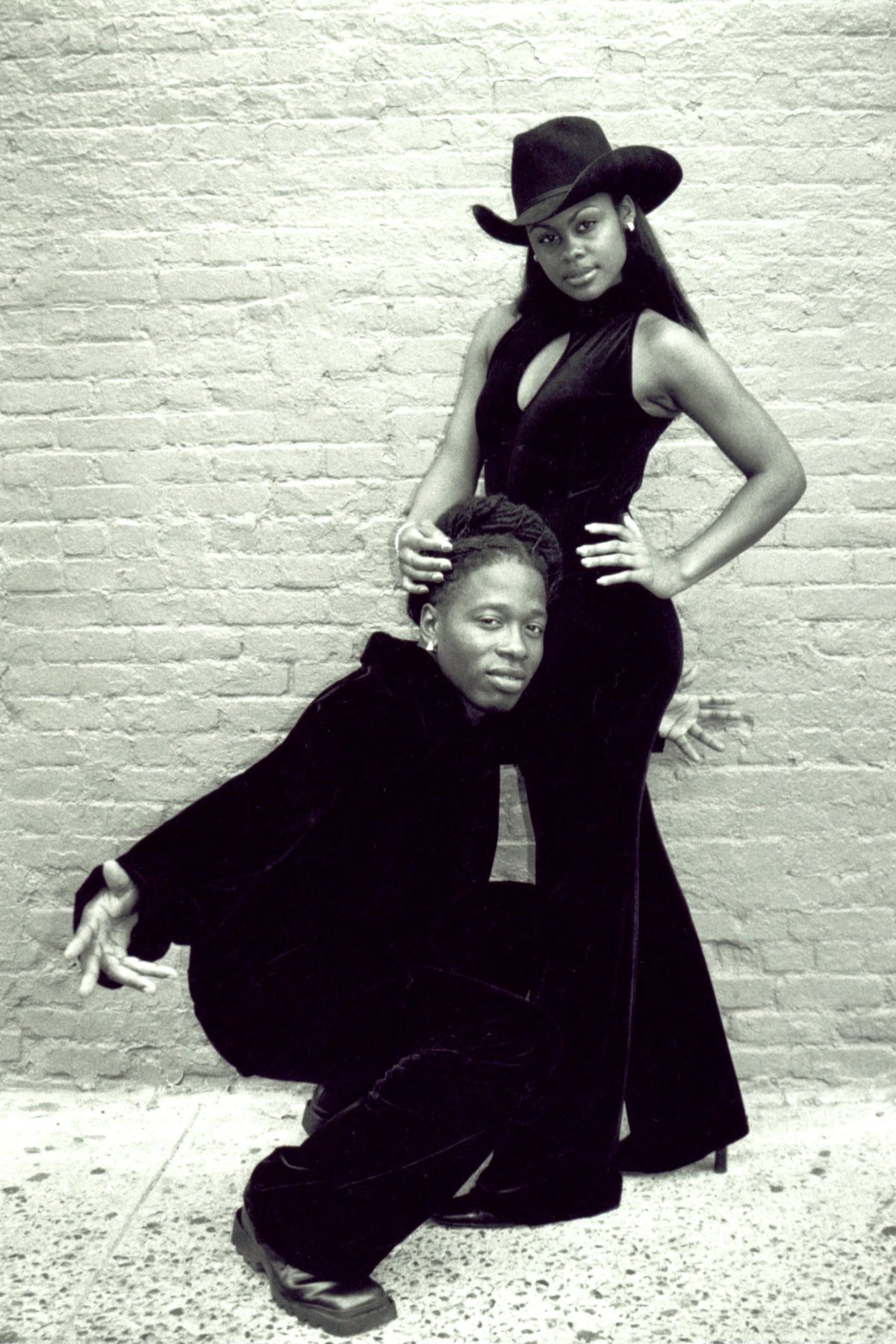
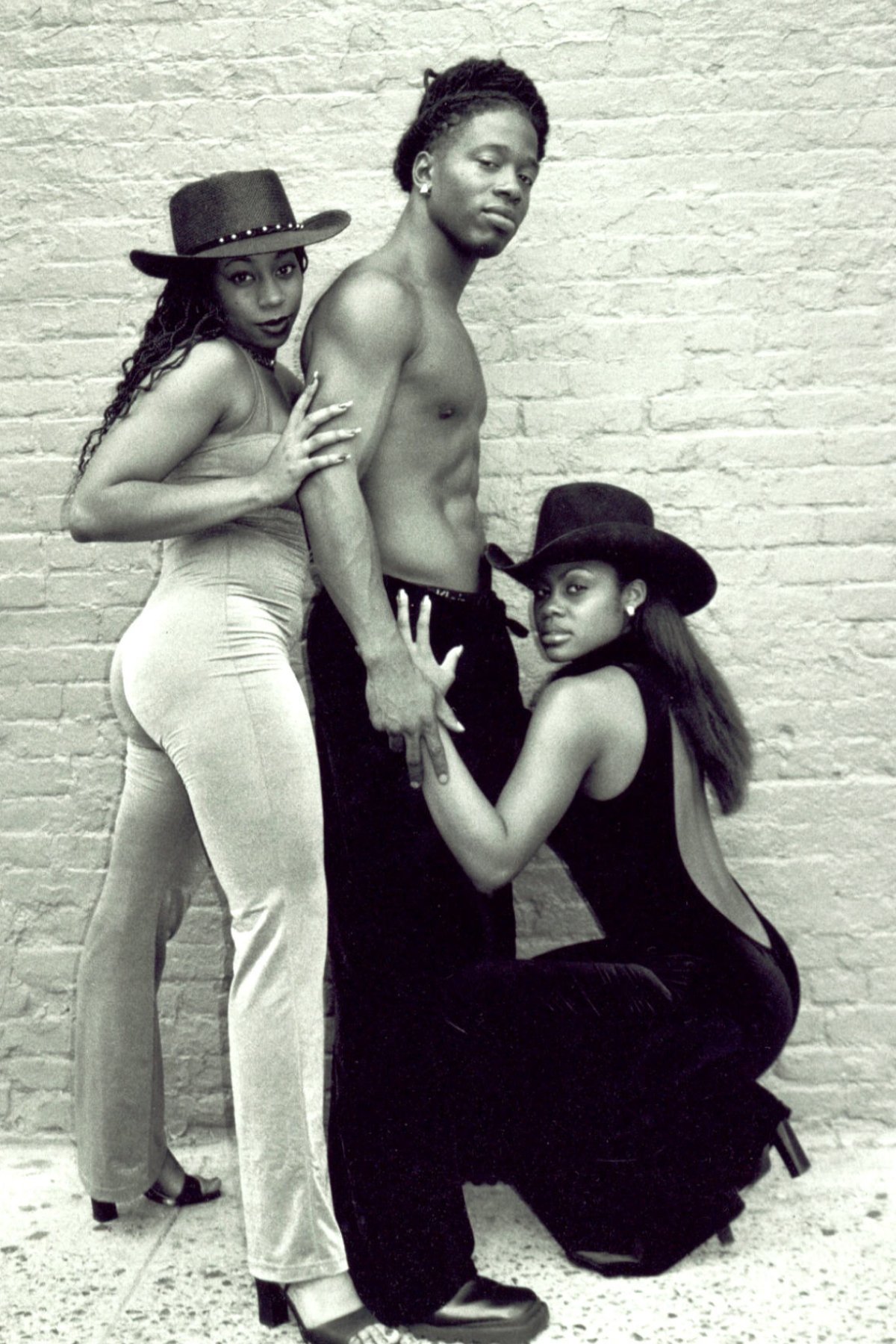
While the crimson red iteration of Murray's design ultimately claimed the book's cover, this black velour garment serves as the true working engine of the Drama & Flava archive. Featured within the interior pages of this classic photography book, this garment proves the consistency and depth of Murray's vision as a stylist during those historic New York sessions.
The repetition of this custom outfit throughout the monograph establishes it not as a casual, everyday wardrobe choice but as a deliberate, masterfully planned fashion uniform. It remains a primary visual record of the exact look that led photographer Jamel Shabazz to declare during the Ralph McDaniels ("Uncle Ralph") MoCADA 2012 exhibition that nobody has swagger like LaRonz.
Four Documented Roles
Murray's participation crosses four distinct functional categories within the collaborative archive.
Original Jamel Shabazz Supermodel
Subject of the most reproduced Shabazz collaborative-era images, including the Drama & Flava cover image (with Noemie Lenoir) circulating across hundreds of library systems worldwide — see Section II for full holdings.
Creative Collaborator
Shoot coordinator and female model recruiter for the collaborative sessions. Cast, scheduled, and assembled the participants who appear in the published record.
Designer
Creative director of the red velour suit. Conceived three iterations (grey, black, red); rejected grey; selected red on the basis of photographic luminosity.
Co-Architect
Co-architect of the Shabazz–Murray collaborative era specifically — distinct from the 1980s Shabazz street-photography archive.
The Red Velour Suit — Design Development Sequence
Three documented iterations. One resolved design.
GREY VELOUR SET
CONCEIVED · CONSTRUCTED · REJECTED
NEVER PHOTOGRAPHED
The documented decision-making shown here — including revisions and rejected garments — is presented for the reader to evaluate.
RED VELOUR SUIT
CONCEIVED · CONSTRUCTED · APPROVED · PUBLISHED
The resolved design.
Featured in the hero image above
and on the Drama & Flava cover.
“Shabazz told me that red photographs with particular luminosity on film. I took that technical knowledge and made it a design decision. I told Caston: red. That is how the color was chosen — not by the stylist, not by the photographer, not by accident. By me.”
CONCEPT & CREATIVE DIRECTION · LARONZ MURRAY
CONSTRUCTION · CASTON (DECEASED)
PHOTOGRAPHY · JAMEL SHABAZZ
CONTEXT CHECK · PRE-DATES THE COMMERCIALIZATION OF MODERN STREET LUXURY BY OVER A DECADE
This physical artifact provides undeniable material evidence of a design shift that took place long before corporate brands began capitalizing on streetwear aesthetics. Executed in the year 2000, this garment sits on an independent timeline that pre-dates the multi-million dollar corporate streetwear boom popularized later by figures like Virgil Abloh (2013) and contemporary ad campaigns directed by A$AP Rocky. By preserving this original garment, the archive safeguards the true, independent origin point of logoless street luxury.
Statement of Historical Provenance and Design Intent
AUTHOR · LARONZ MURRAY (MASTER DESIGNER-STYLIST)
This document serves as the official primary record of creative intent, design, and authorship for the velour garments featured in the historical photography monograph Jamel Shabazz: Drama & Flava.
In the year 2000, during the planning of the Jalouse magazine shoot in lower Manhattan, I acted as the Master Creative Director and Fashion Designer for my own wardrobe. Lacking commercial options that matched my vision of pure DNA street luxury, I hired a private artisan seamstress to construct a custom look based entirely on my technical design instructions.
The design process required three distinct iterations, proving an intentional creative timeline:
- 01The Grey Wool Prototype
Designed to test the silhouette and drape. This iteration was rejected due to its flat visual tone.
- 02The Black Velour Iteration
A plush fabrication that successfully captured the texture of luxury. This garment was heavily photographed by Jamel Shabazz and is featured within the Drama & Flava monograph. This physical garment remains in my permanent possession.
- 03The Crimson Red Velour Masterpiece
The final creative evolution. Following a critical design consultation with photographer Jamel Shabazz — who advised that the color red provides the highest visual resonance and translation on film — I issued the final creation orders to the seamstress. I paired this custom garment with matching red pony skin shoes purchased in 2000 to complete the styling blueprint. This garment became the cover image of the monograph and remains in my permanent possession.
As the surviving primary author of this design process, I attest that the intellectual property, style choices, and creative direction belong to me.
Timeline of the Record
Chronology as documentary evidence. Conclusions belong to the reader.
The aesthetic precondition. Harlem couture establishes the logo-and-luxury vocabulary later inherited by streetwear.
Murray and Shabazz commence the collaborative sessions that will define the Shabazz–Murray era.
Red velour image first published in Jalouse magazine, France. Origin point of the image's institutional circulation.
Murray attends publication events as active working model and collaborator, not retrospective subject.
Cam'ron's pink mink moment — adjacent cultural reference within the same New York image economy.
Dr. Deborah Willis's traveling exhibition begins circulating the image internationally; image enters 853 institutional registries.
A$AP Rocky publicly cites Shabazz as visual influence, accelerating the photograph's reach.
Virgil Abloh founds Off-White, formalizing the streetwear/luxury collapse the era anticipated.
powerHouse Books publishes Drama & Flava with Murray on the cover. Met Gala selection. Giants exhibition acquisition.
The Murray Records — The Shabazz–Murray Record is published in service of attribution and institutional accuracy.
The Jalouse Sessions
A first-hand account · By LaRonz Murray
I met influential photographer Jamel Shabazz on the corner of 34th & 7th while vending art and poetry. It was late summer, during a time period when I was constantly being stopped by tourists asking to take my picture. I guess they were amazed by my locs and how they were styled. Or it could've been the charismatic “star quality” that resonated from my soul outwards. Personally, I always knew I was a born star. I also know presence and swagger are “key elements” when projecting “star quality.” It is that special charismatic quality that draws people to you. I guess this was the “thing” that captivated people's attention as they boldly asked to take my picture over and over again. In fact, over 35 countries and cities requested my picture that particular summer. I was both humbled and amazed at the number of requests, stares, and pouring compliments concerning my Brooklyn Hair Swagger. So, it was no surprise when Jamel Shabazz walked up to me and requested a photograph. The major difference between Shabazz and all the others was the fact he was a professional street photographer. He also promised to get me into magazines. We exchanged numbers and soon we started doing photo shoots in and around lower Manhattan.
Quickly, I became his primary muse and an Original Street SuperModel. As we built our foundation, I progressed into Shabazz's “point man,” recruiting female models as we traveled around Manhattan doing progressive photo shoots. We continued on to develop a successful photographer/model chemistry that would serve us well in our aspirations to reach new heights. Seemingly, almost every weekend we were shooting these captivating images, and soon, just like he said, I ended up in magazines. The first magazine we did was an international magazine called Jalouse. This was a very exciting shoot, because we were provided with a van and team of stylists dressing us for the shoot. It was a big step away from our weekend guerrilla-styled photo sessions where we changed in public bathrooms. I was one of many models recruited for the magazine photo session, courtesy of Shabazz and his associates. The early parts of the shoot went well as we posed for group shots featuring future supermodel Noemie Lenoir.
The Evidentiary Record
Six categories of documentation supporting the attribution review.
First-person written account
Murray's own contemporaneous and present-day account of the sessions, design development, and creative role.
Black velour in Drama & Flava
The earlier iteration appears in the published book — physical confirmation of an iterative design process.
Jamel Shabazz
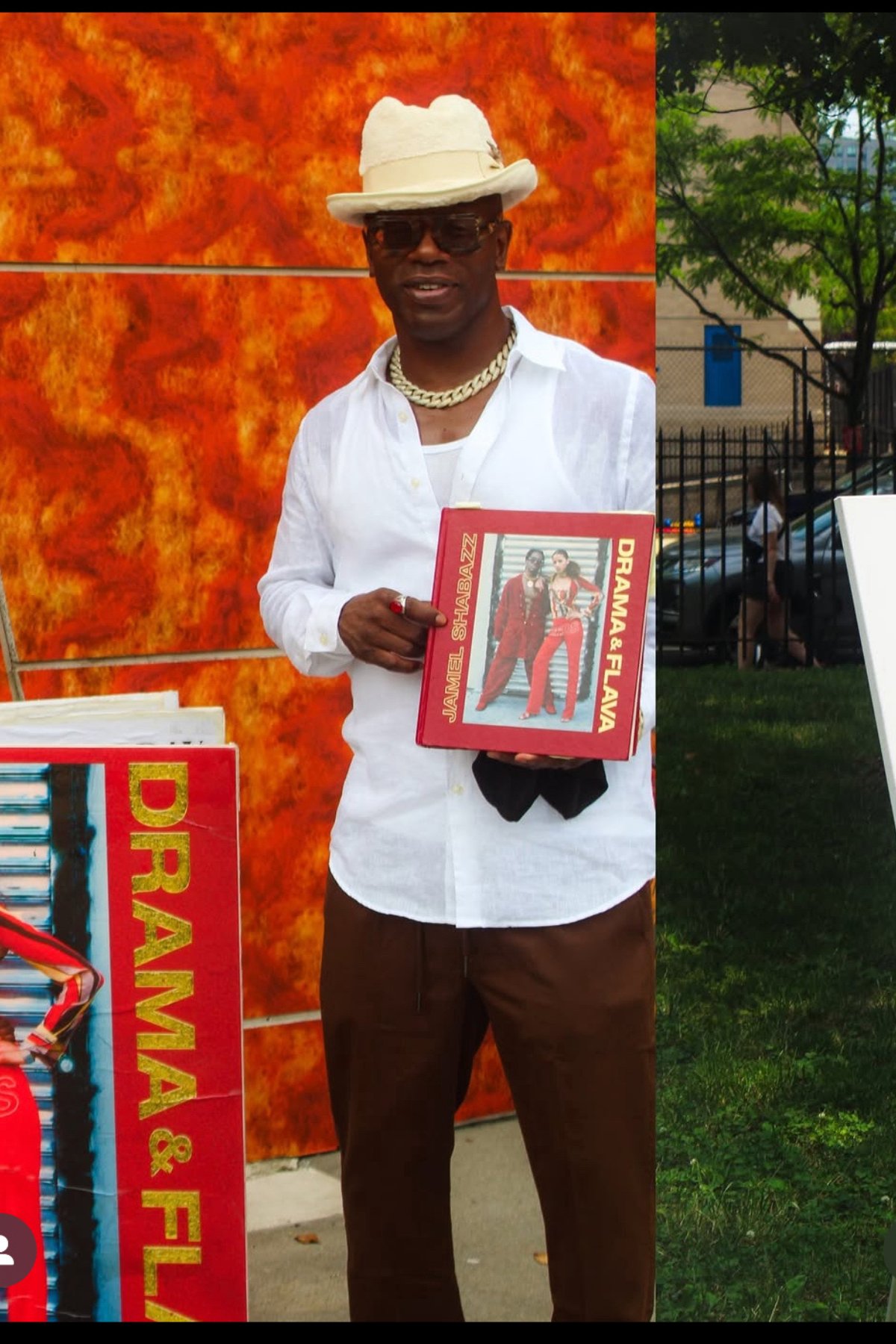
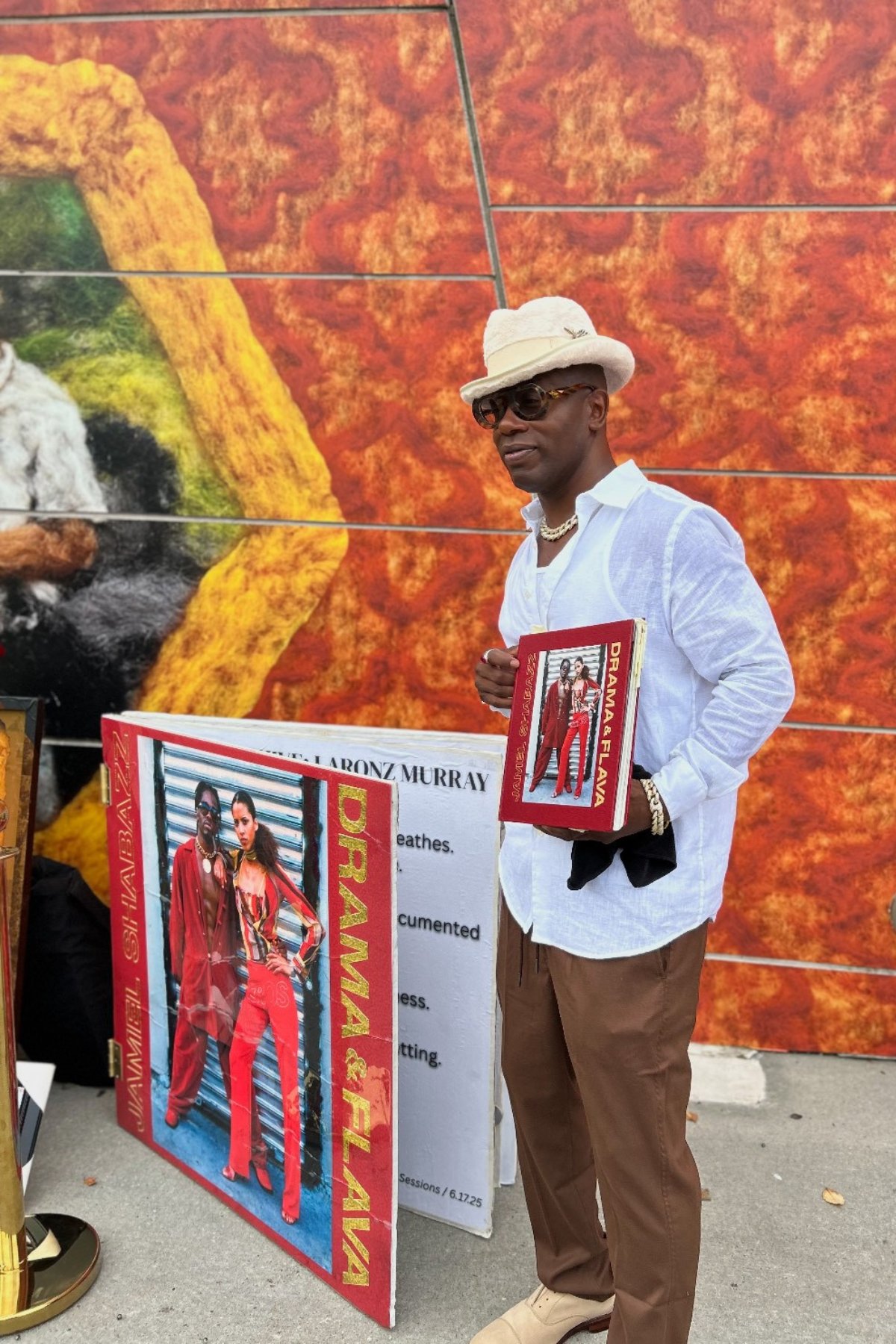
The photographer himself — the most authoritative living witness to the production conditions of the images.
Bringing red velour to Jalouse
Murray arriving on the Jalouse shoot wearing a self-directed wardrobe is behavioral evidence of creative authorship.
Global footprint
Held across hundreds of library systems worldwide — see Section II for the complete holdings breakdown.
Three iterations
Grey (rejected, never photographed), black (photographed, published), red (resolved). A process record, not a single capture.
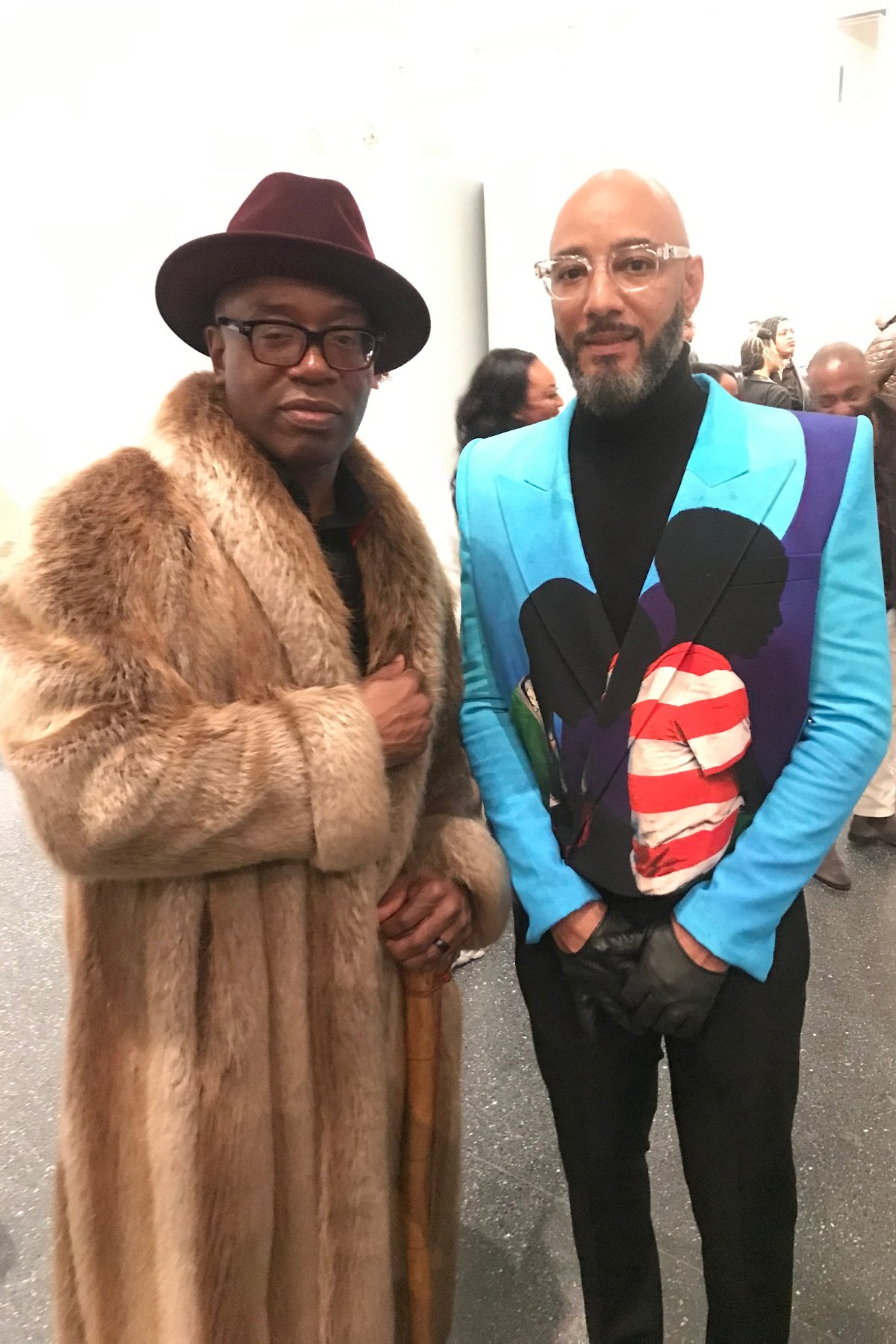
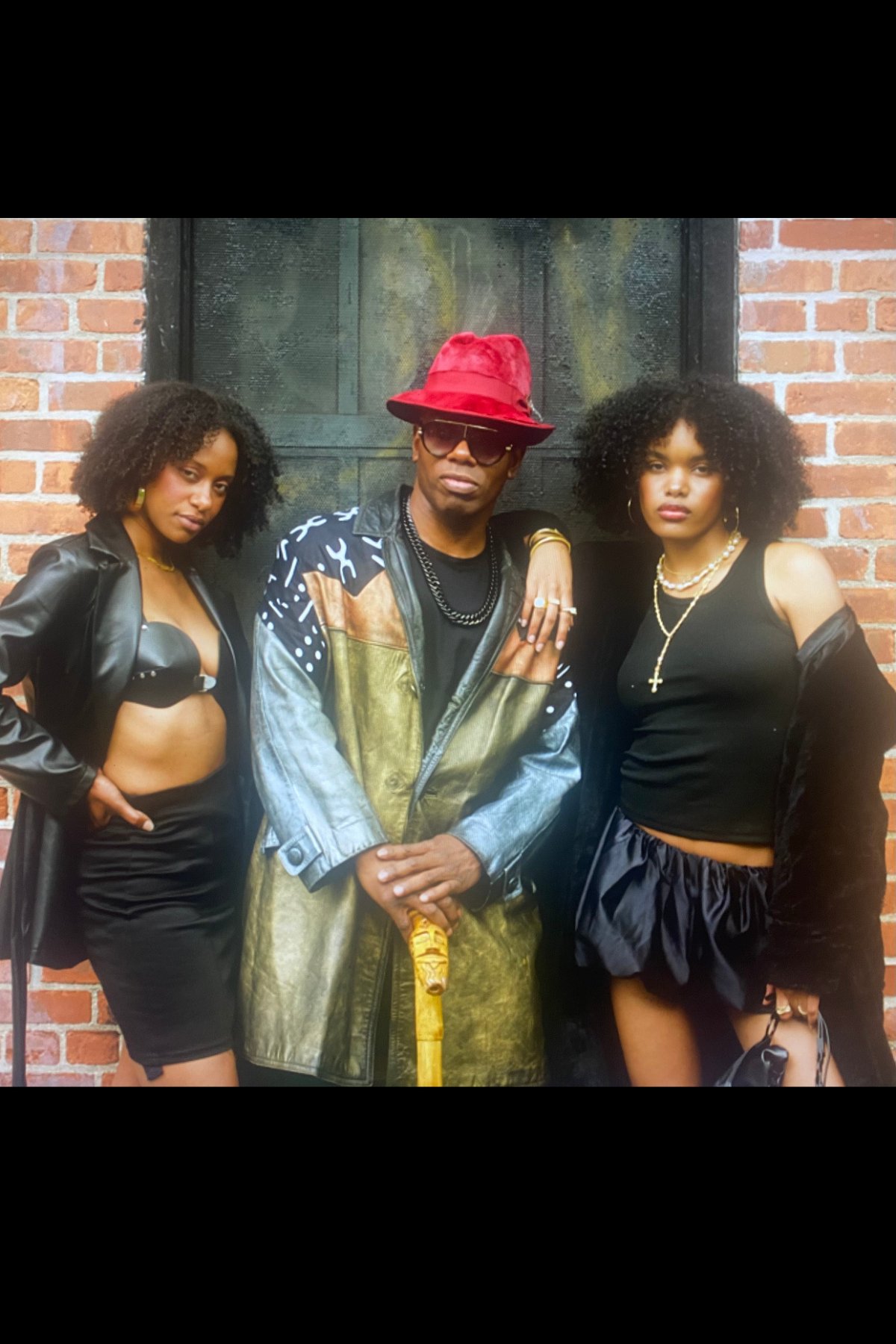
The Documented Record
Scholarly & Institutional Resources.
Position Paper
LaRonz Murray's critical framework on attribution, authorship, and the Shabazz–Murray collaborative era — an original perspective offered for scholarly engagement, adaptation, or debate.
Request →Syllabus Proposal
A proposed course module — Visual Culture, Attribution & the Archive — developed by Murray with primary-source readings, offered for educators to adopt or adapt.
Request →Museum Installation
Trio Cluster Edition of 7 — curatorial proposal for the three-iteration design sequence.
Request →Press & Media
Press kit, image rights overview, fact sheet, and quotation index for editorial use.
Download →Academic Adoption
A resource for institutions and educators considering the collaborative record for coursework or curatorial use.
Request →External Verification
WorldCat aggregate of combined Posing Beauty and Drama & Flava library holdings — 900+ institutions worldwide. (1,400+ total library catalog records across all formats and editions.)
Request →Politics of the Archive
Independent institutional recognition — credits issued without Murray's own materials as the source.
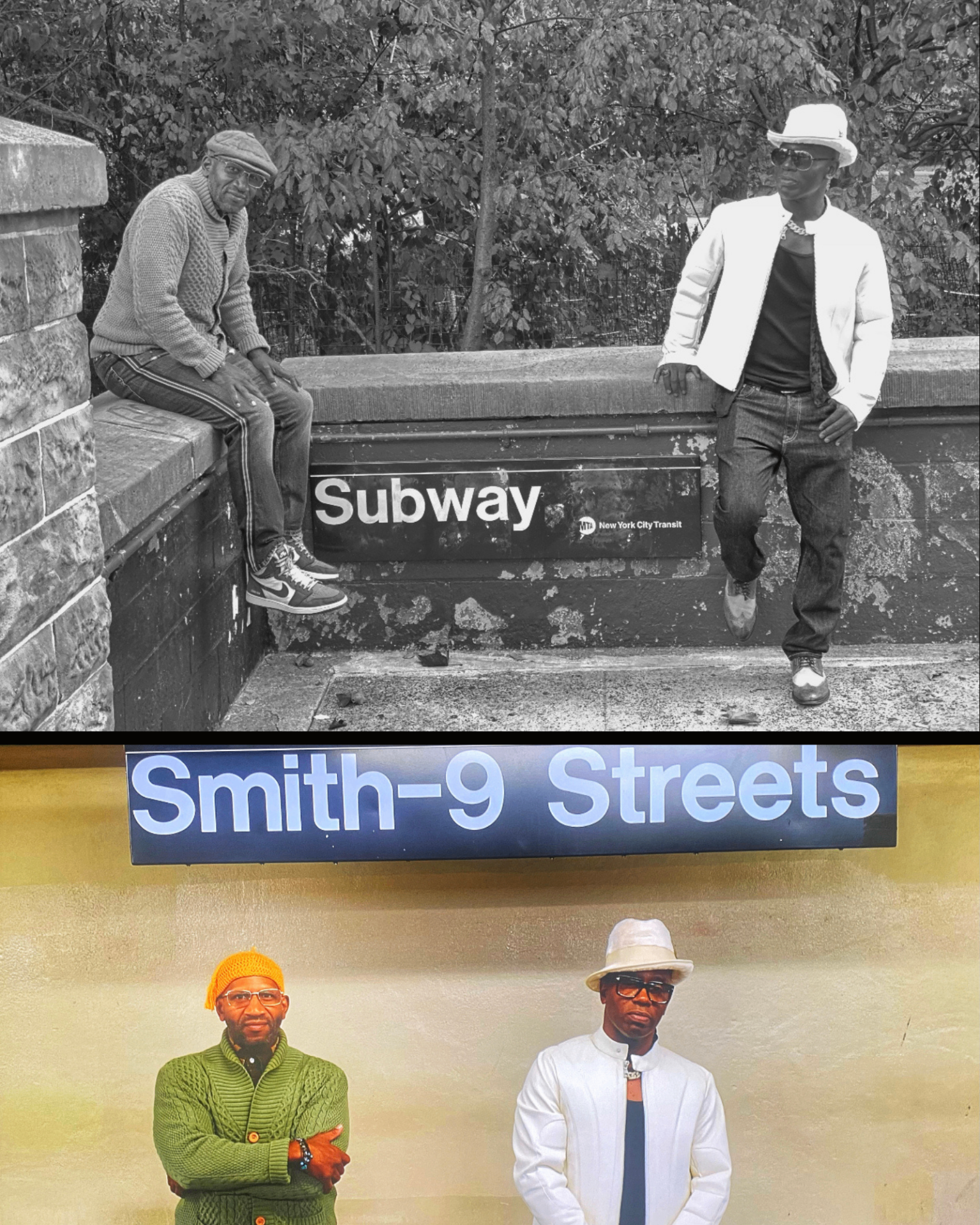
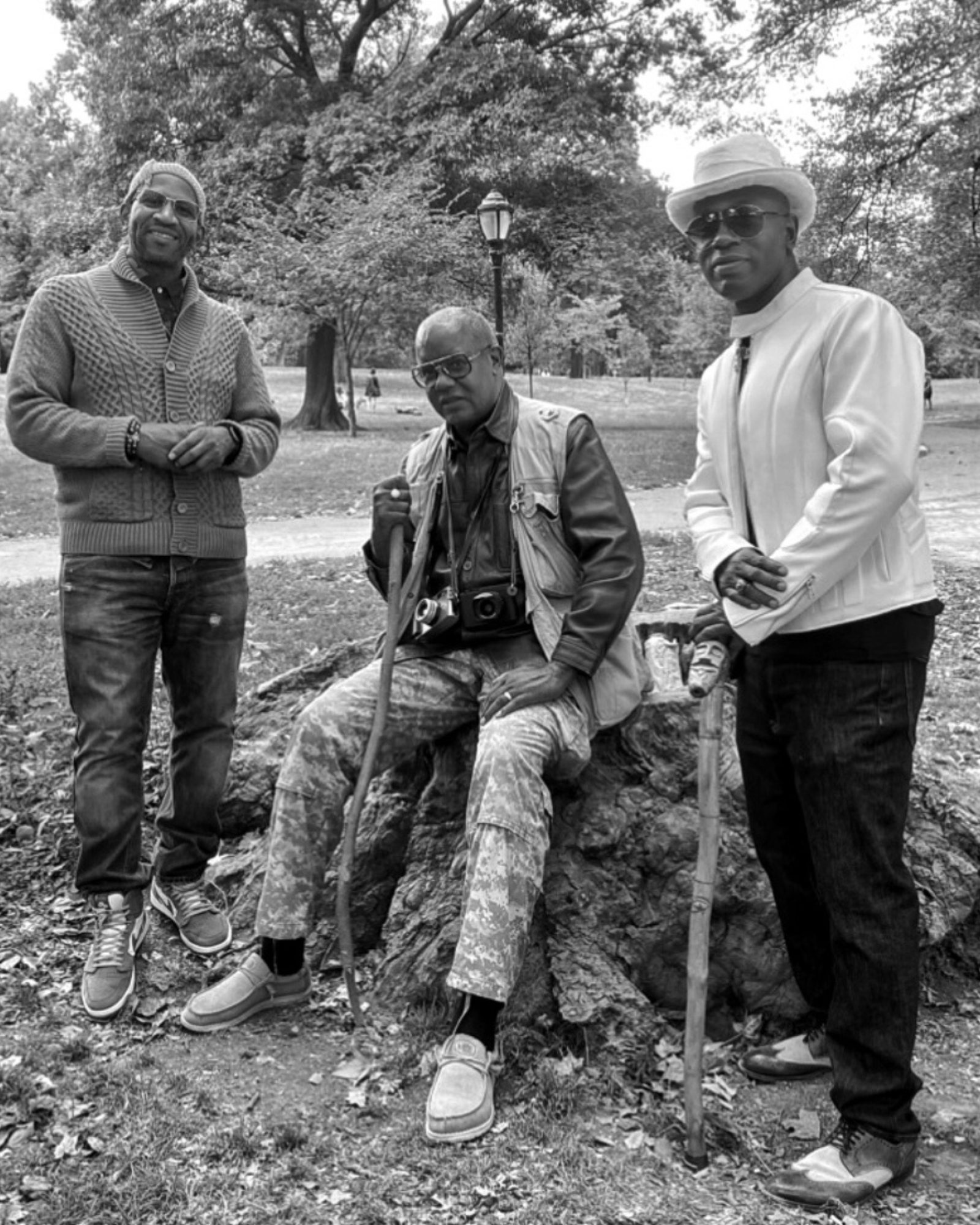
Two records, placed side by side.
Documented separately. No connection is asserted here — the sources, dates, and credits are laid out for you to examine and draw your own conclusion.
Shabazz's photography described as “a regular touchstone among fashion types,” name-checked in show notes by Dsquared2 and Lacoste; Scott Schuman (“The Sartorialist”) an avowed fan.
Photographer Brock Fetch cites studying Shabazz's catalog while developing the visual identity for A$AP Rocky's Live.Love.A$AP.
The Costume Institute's Watson Library cites Drama & Flava as a research resource behind Superfine: Tailoring Black Style, the Museum's 2025 exhibition and that year's Met Gala theme.
“He didn't document trends. He documented the innovators who made trends possible.”
Why This Record Exists
Archives do not preserve only images. They preserve context. As images circulate through books, museums, exhibitions, libraries, classrooms, and public memory, the responsibility to document creative participation grows alongside them. The larger the circulation, the greater the obligation to preserve the historical record accurately.
This archive exists in service of that responsibility. The record is open. The evidence is available. The material is presented here for scholarly and institutional review.
The conversation starts here.
This archive is intended for press, media, writers, curators, and institutional contacts. A full provenance document — one photograph, ten institutional expressions — is available upon request.